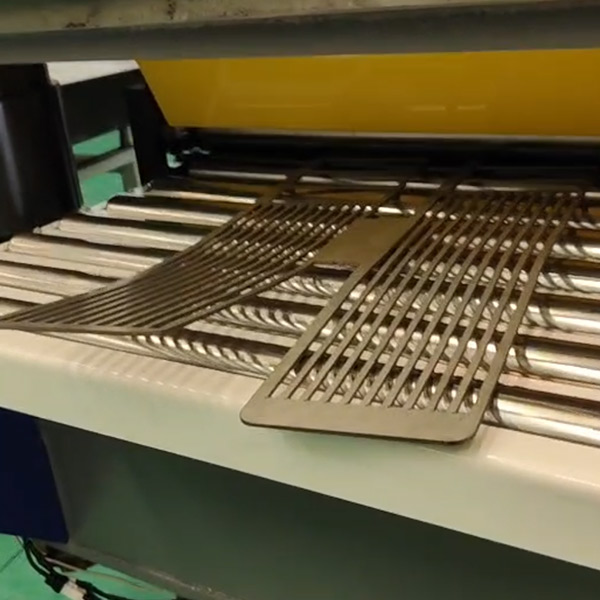
How to Level Hammered Metal Sheets After Texturing
From cutting and hammering to precision leveling –how to remove distortion and restore flatness after hammered sheet production.
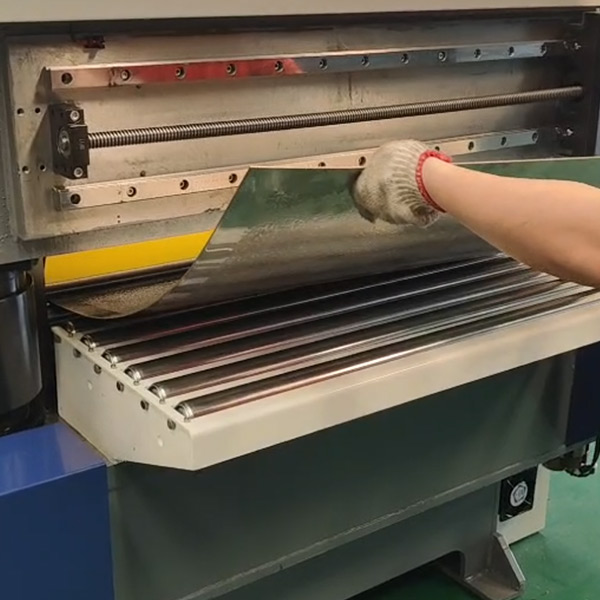
Before Leveling
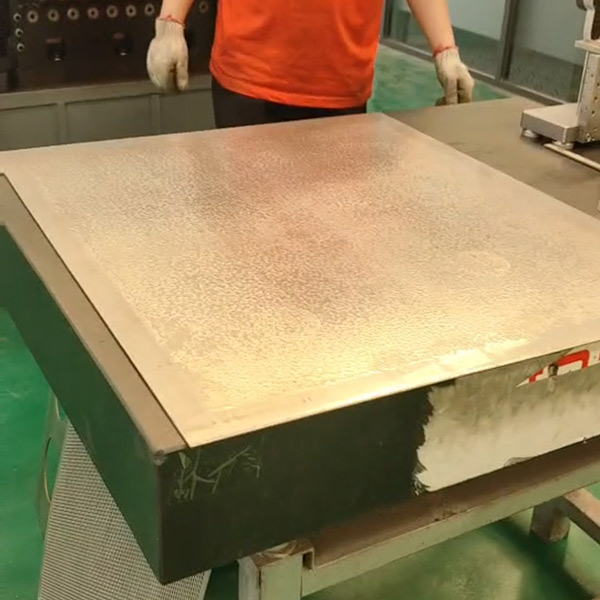
After Leveling

Hammered metal sheets are widely used in decorative panels, elevator interiors, furniture, architectural metalwork and other applications where a textured metal surface is required.
However, the hammering process does more than create a decorative surface. Repeated local deformation can introduce internal stress and cause the sheet to warp, buckle or lose its original flatness.
In this article, we explain how hammered metal sheets are produced, why they become distorted during texturing, and how a precision leveling machine can restore the sheet to a flatter and more stable condition
1.What Is a Hammered Metal Sheet?
A hammered metal sheet is a decorative or functional metal panel whose surface is mechanically textured to create a hammered, dimpled or irregular pattern.
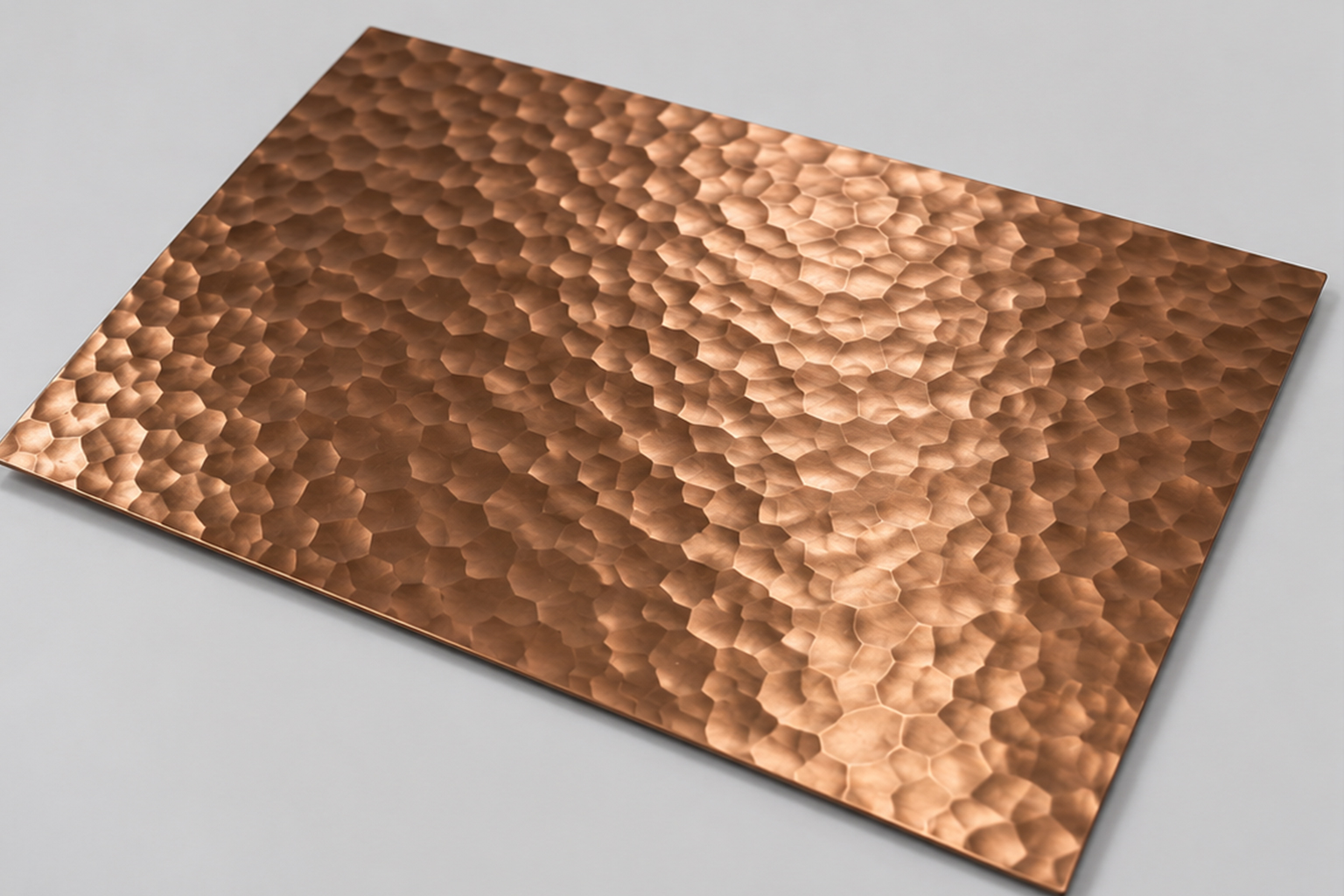
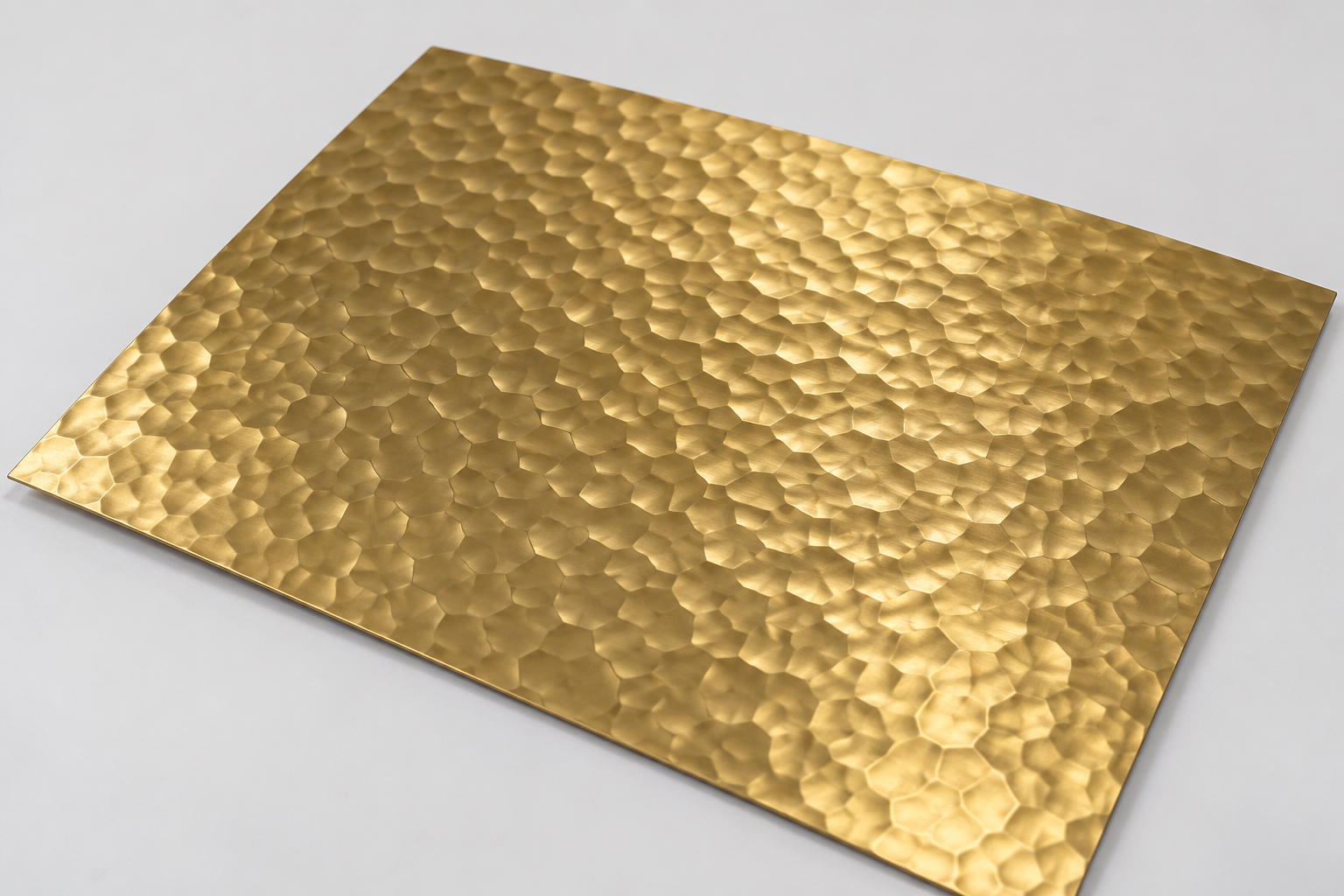
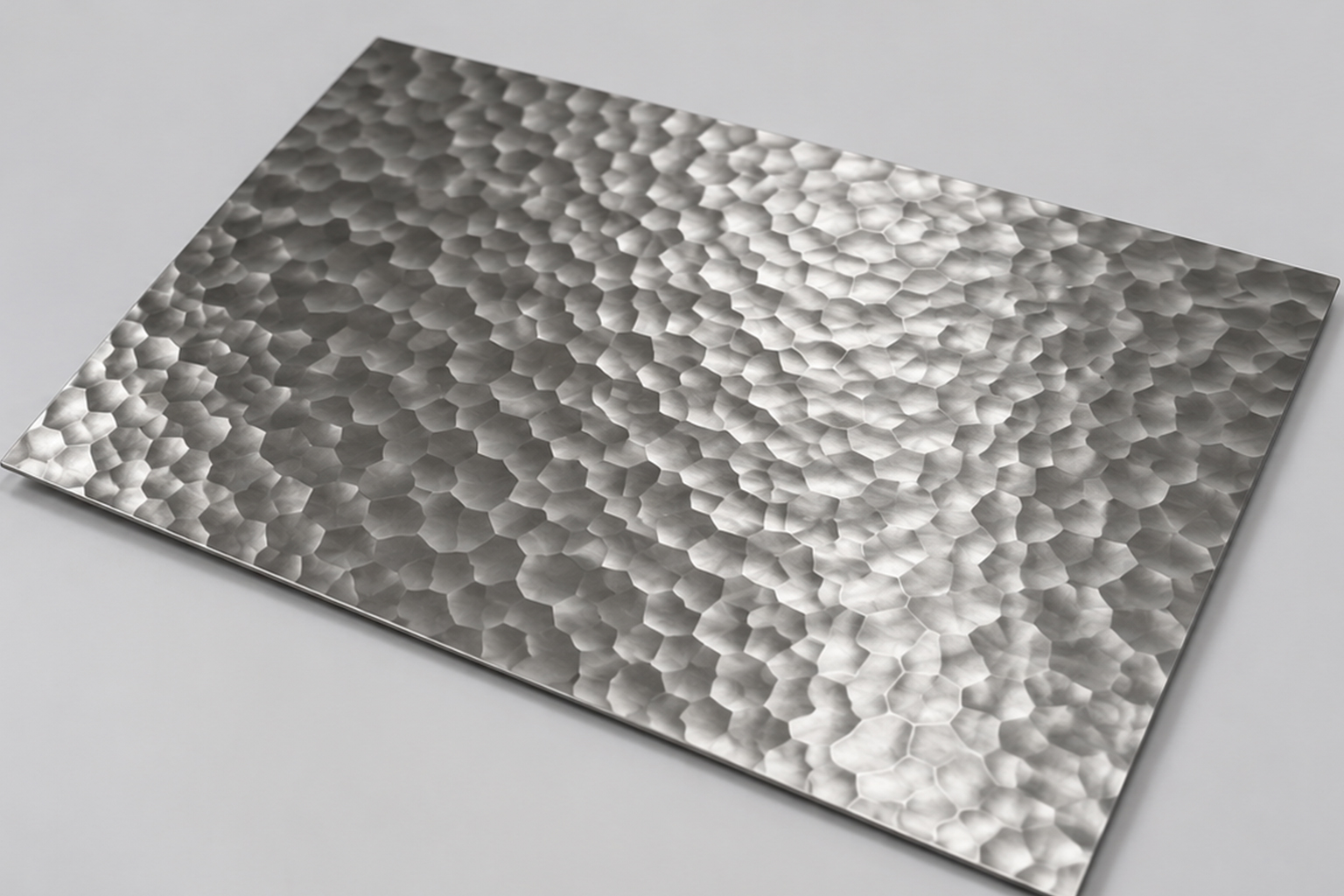
The hammering process creates the required surface texture, but the repeated localized impact also introduces uneven deformation and internal stress into the sheet.
2. How to make the hammer sheet?
Step 1, Cutting the metal sheet
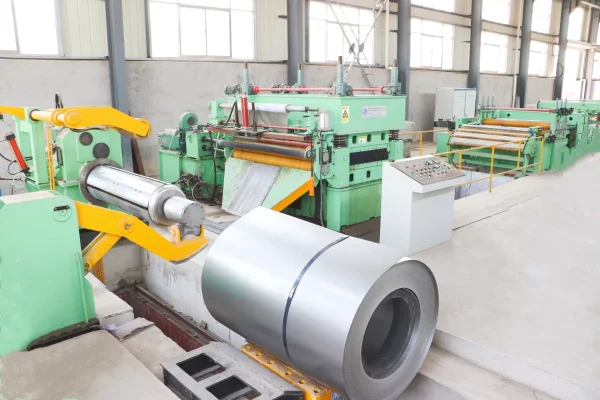
Before hammering, the raw metal sheet is normally cut to the required dimensions. Depending on the material, thickness and production volume, manufacturers may use laser cutting, shearing, plasma cutting or other cutting equipment.
Looking for cutting equipment?
Explore leading Chinese suppliers of laser cutting machines, shearing machines, plasma cutting machines and other metal cutting equipment.
3.Why Does Hammered Sheet Become Warped?
The texture may be exactly what you want, but the flatness is not.
After texturing, the hammered finish may look correct, but the sheet may no longer lie flat.
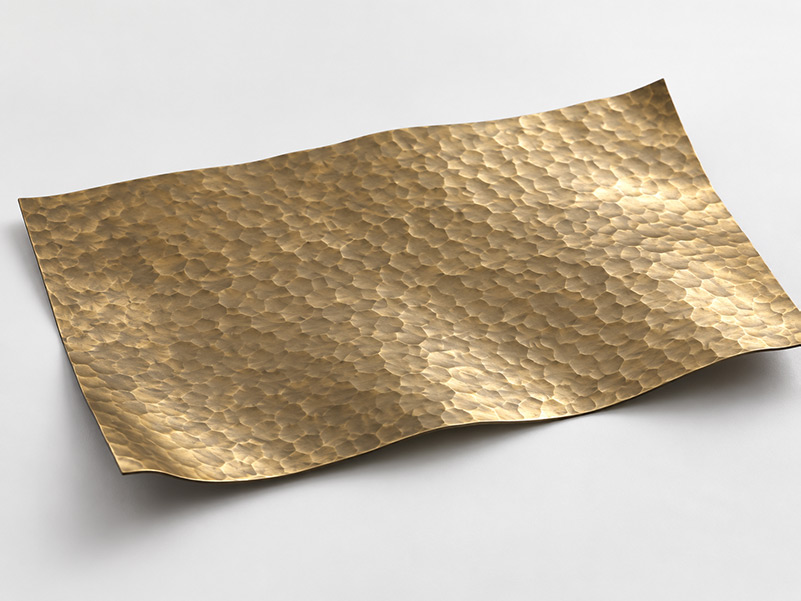
Poor flatness can create problems during later production and installation, including:
- Installation gaps
- Difficult welding
- Poor dimensional accuracy
- Uneven assembly
- Difficult stacking and handling
- Poor appearance after installation
4.How Do You Flatten a Hammered Metal Sheet?
Precision Roller Leveling
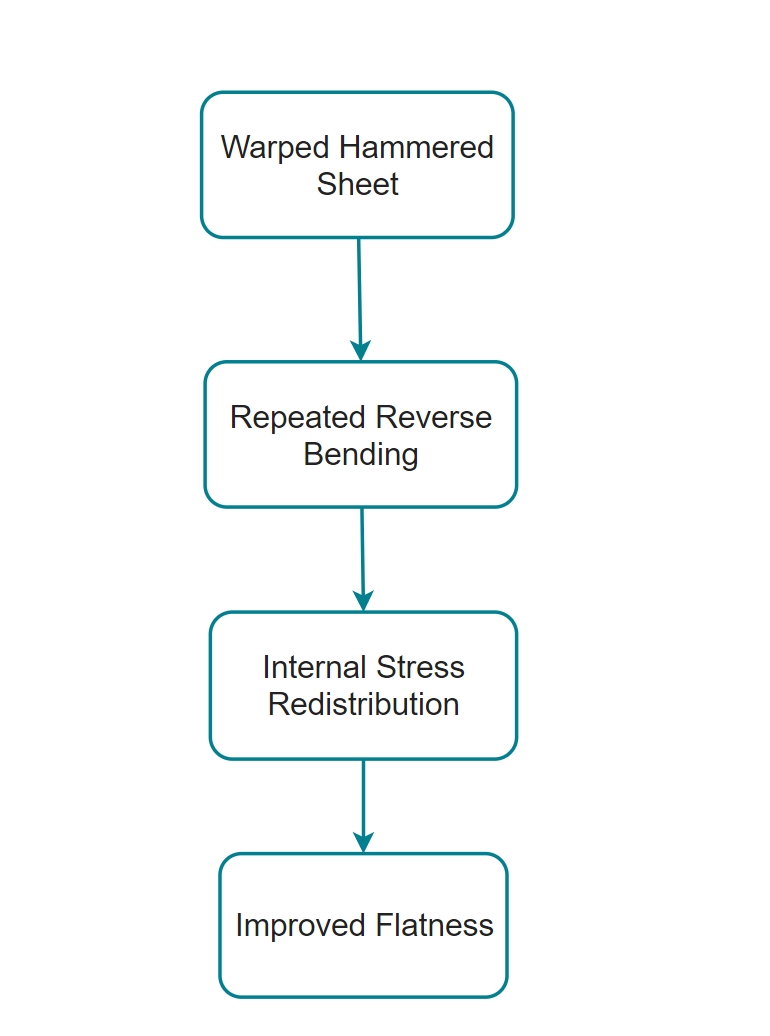
Instead of applying one large pressing force, a precision leveling machine passes the sheet through multiple alternating leveling rolls.
As the sheet moves through the machine, it is repeatedly bent in alternating directions with gradually decreasing deformation. This helps redistribute internal stresses and brings the material closer to a stable, flat condition.
5.The Role of a Precision Leveling Machine
The leveling machine does not create the hammered texture ,it corrects the deformation created during the texturing process.
6.What If the Material Is Not Metal?
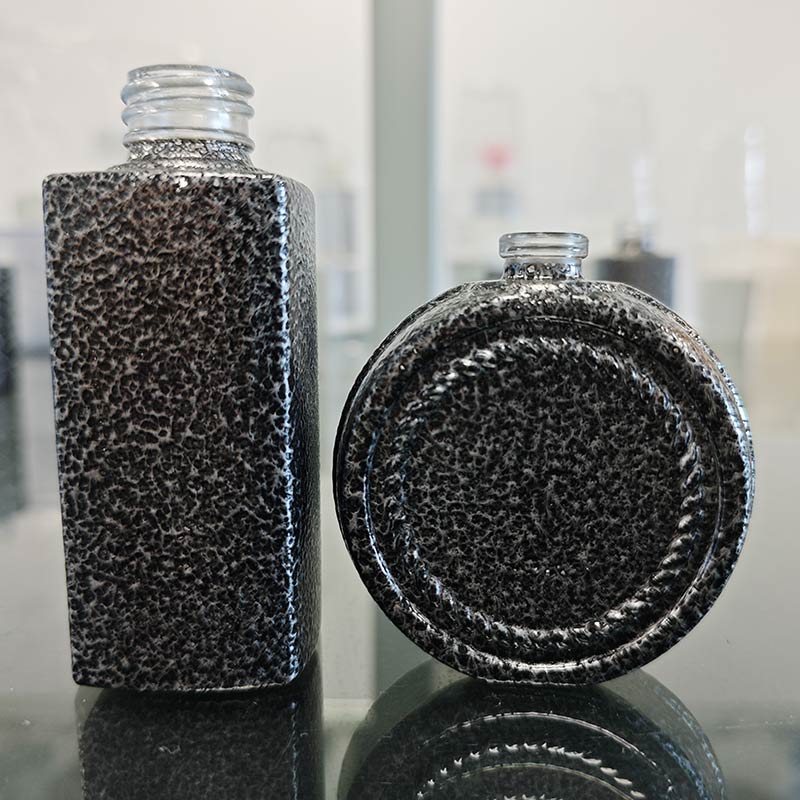
Hammer texturing is mainly a mechanical surface-forming process for metal sheets. If the product is made from a non-metallic material such as glass, it cannot be hammered in the same way to create a hammered-metal texture.
For glass bottles, jars and other rigid non-metal products, a similar visual effect can instead be created with a hammer-tone coating. The textured appearance is formed by the coating itself during application and curing, rather than by mechanically deforming the substrate.
Glass: Hammer-tone paint creates the visual texture without deforming the glass.
If you are interested in how a hammered finish can be applied to glass, we have a separate article explaining the coating process, suitable paint systems and typical applications: