Why Laser Cut Parts Need Leveling Before Welding
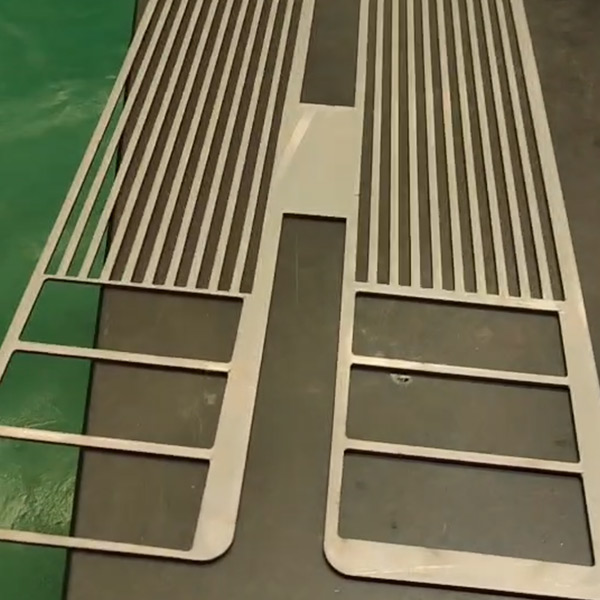
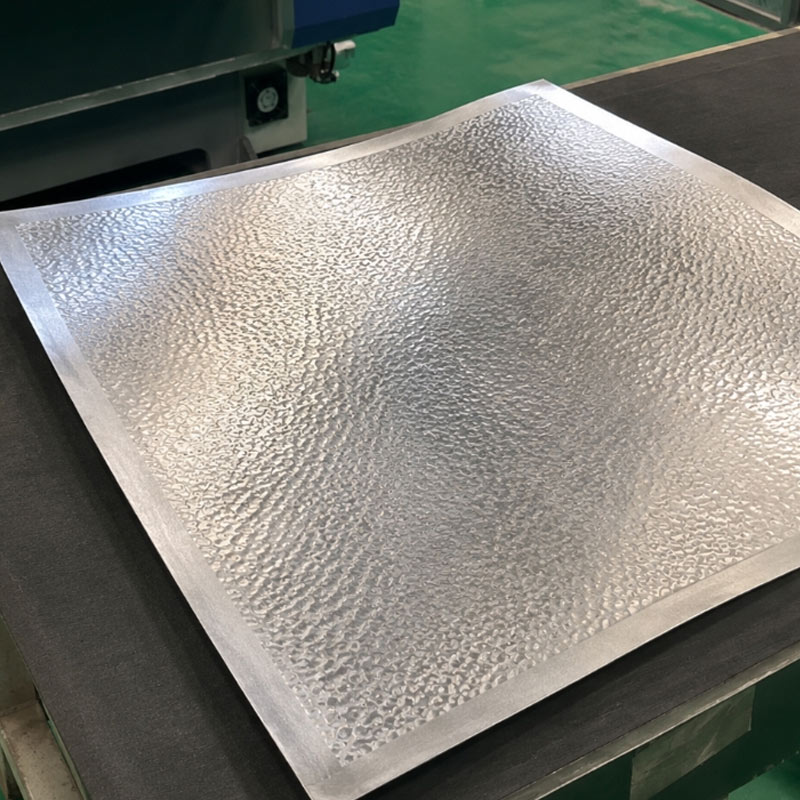
Laser cutting offers incredible precision for sheet metal fabrication[^1], but it often leaves parts with uneven surfaces or internal stress. These imperfections can lead to issues during welding, such as deformation and reduced assembly accuracy. The solution? Leveling laser-cut parts before welding. Let’s explore why this step is crucial for improving welding quality and streamlining manufacturing processes.
Laser-cut parts need leveling before welding because uneven surfaces and residual stress from cutting can deform parts during welding, compromise precision, and reduce overall assembly accuracy. Leveling ensures flatness, minimizes stress, and enhances the weld’s structural integrity.
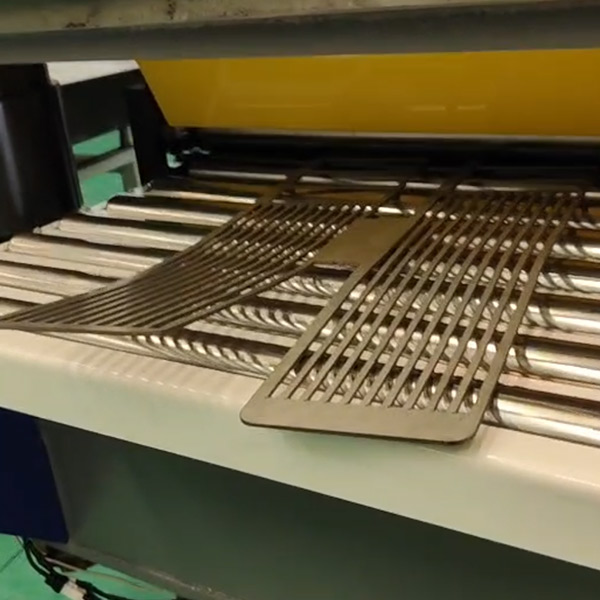
Despite the advantages of leveling, many companies overlook this critical preprocessing step. Below, I’ll explain the necessity of leveling along with practical insights for selecting the right tools and processes.
1 The Hidden Problem After Laser Cutting
Modern laser cutting machines provide excellent cutting accuracy. However, cutting accuracy does not always mean the part is completely stable.
During laser cutting, a large amount of heat is concentrated in a small cutting area. The surrounding metal expands and contracts during the process, which can create internal stress.
The result is that a part may look flat after cutting, but hidden stress remains inside the material
2.Why Do Laser Cut Parts Deform During Welding?
Welding introduces additional heat into the material. When the welding process releases the existing stress inside the metal, deformation can occur.
Common problems include:
- Parts moving out of position during welding
- Difficulty achieving accurate assembly
- Frame distortion after welding
- Additional grinding and correction work
For manufacturers producing precision components, even small deformation can affect the next process, such as machining, assembly or final installation.
3. A Real Manufacturing Example
Imagine a factory producing stainless steel frames by laser cutting.
Before welding, every component passes inspection and appears acceptable.
But after welding, the factory finds:
- Mounting holes are no longer aligned.
- The frame requires manual adjustment.
- Production time increases.
The reason is not necessarily poor welding skills. The problem may come from the unstable condition of the laser-cut parts before weldin
4.How Precision Leveling Improves Welding Quality
Precision leveling prepares laser-cut parts before they enter the welding process.
A professional leveling machine does not simply “flatten” the material. It uses controlled pressure through multiple rollers to improve the stability of the workpiece.
- Correct uneven deformation
- Reduce the influence of residual stress
- Improve flatness consistency
- Create a better foundation for welding